
L’erreur humaine entre dans Syntax
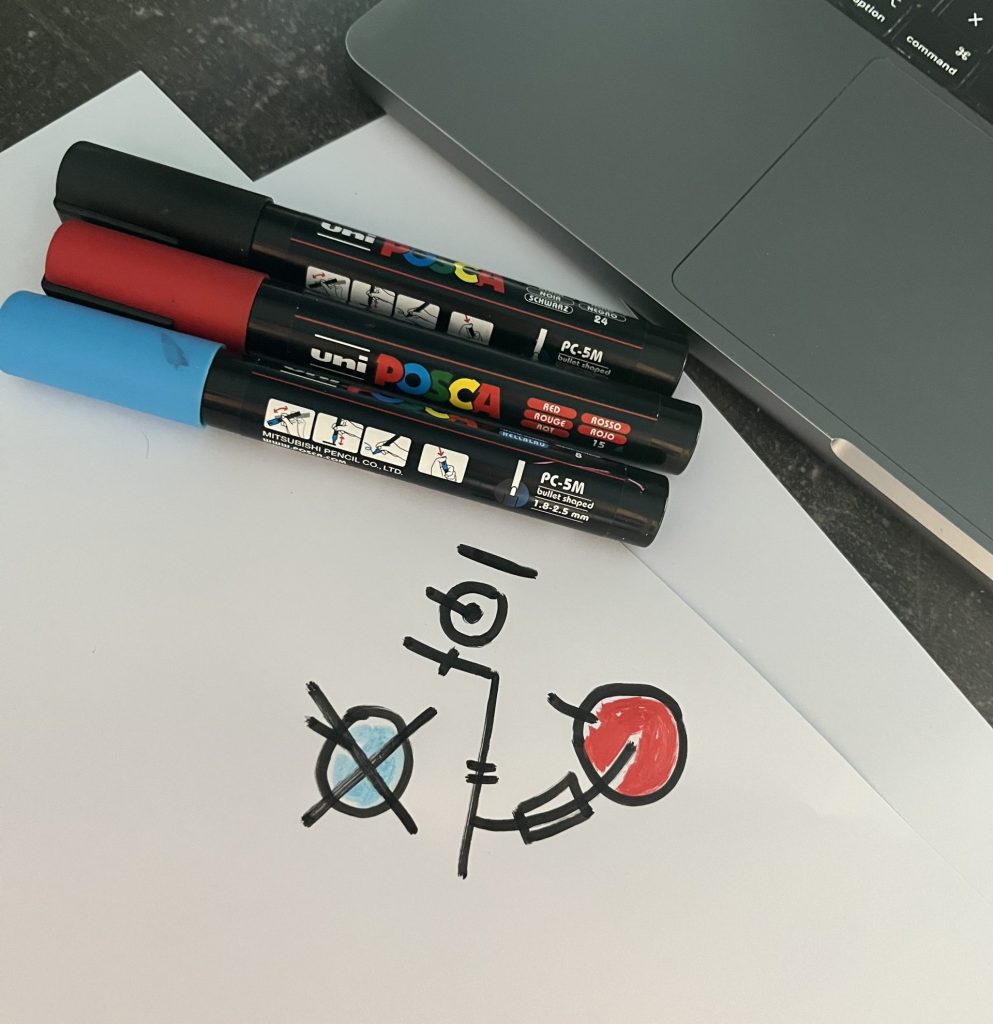
Syntax est un langage rigide. Une règle, une forme, une logique. Le système de classes est sans ambiguïté : une instance partagée ne peut pas porter deux couleurs différentes. C’est une contradiction interne. Une impossibilité. Mais que se passe-t-il quand ça arrive quand même ? J’explore l’idée d’intégrer l’erreur humaine comme élément de vocabulaire à […]
Cryptofold changes skin
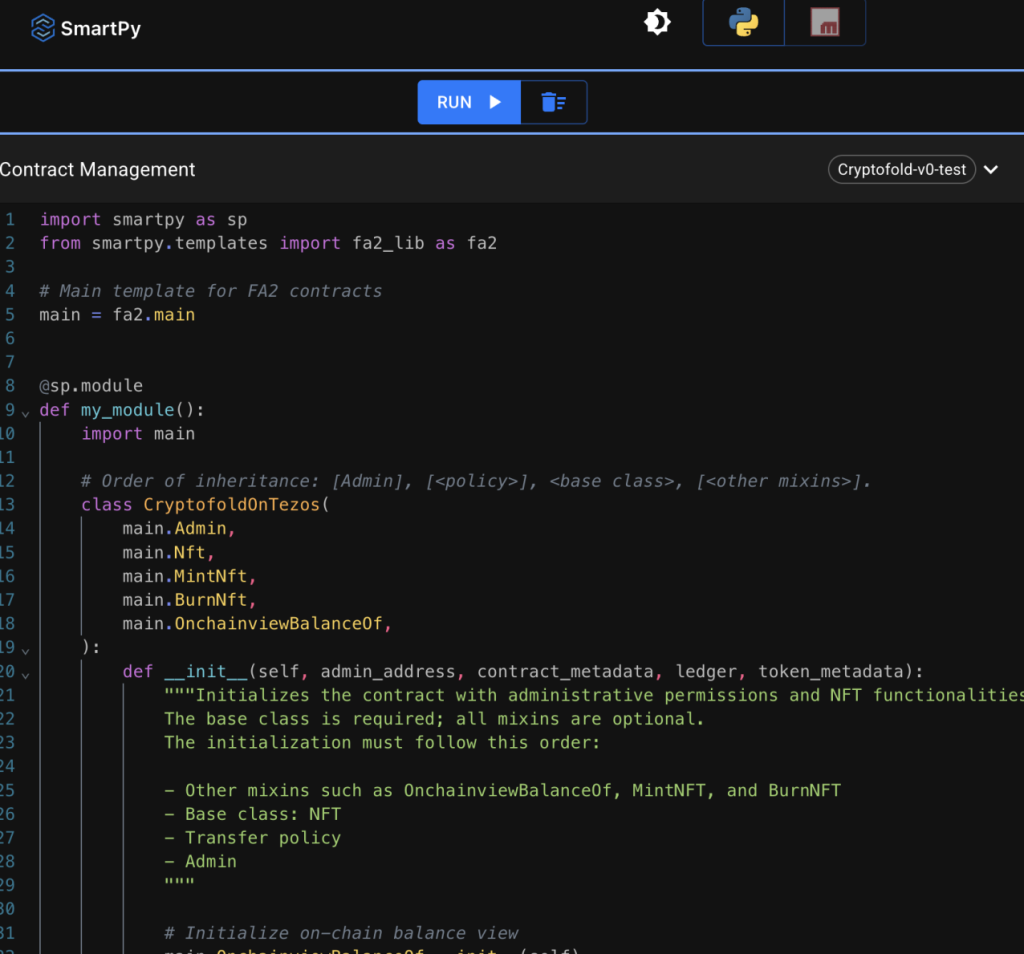
Cryptofold was designed on Ethereum. Smart contract in Solidarity, images stored on IPFS. A solid architecture, the one everyone uses. It worked. But I'm exploring Tezos. And this exploration has changed something unexpected, not just the chain, not just the language of the contract. The NFT itself. Passing on-chain means embarking the image directly [...]
A question of color
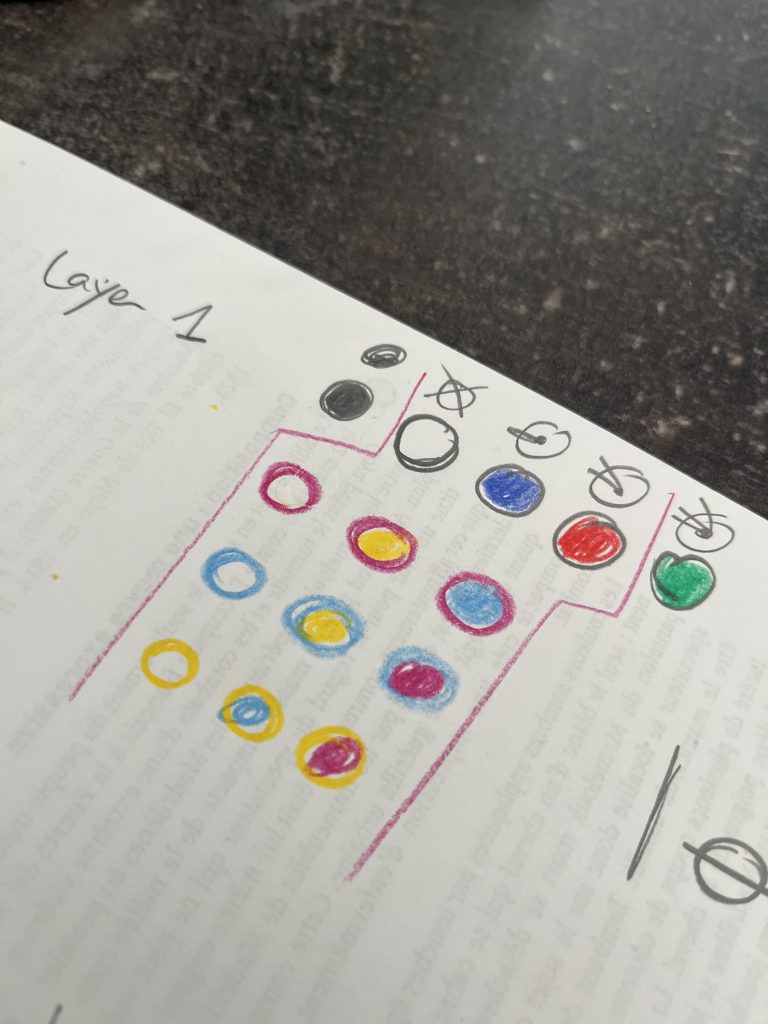
Syntax est né simple. Des formes, des couleurs primaires, une grammaire stricte. Un langage que l’on apprend à lire avant de pouvoir écrire. Mais Cryptofold a changé quelque chose. En travaillant sur les layers, ces strates superposées qui coexistent sur le même support, j’ai commencé à sentir une limite. Le système de couleur actuel ne […]