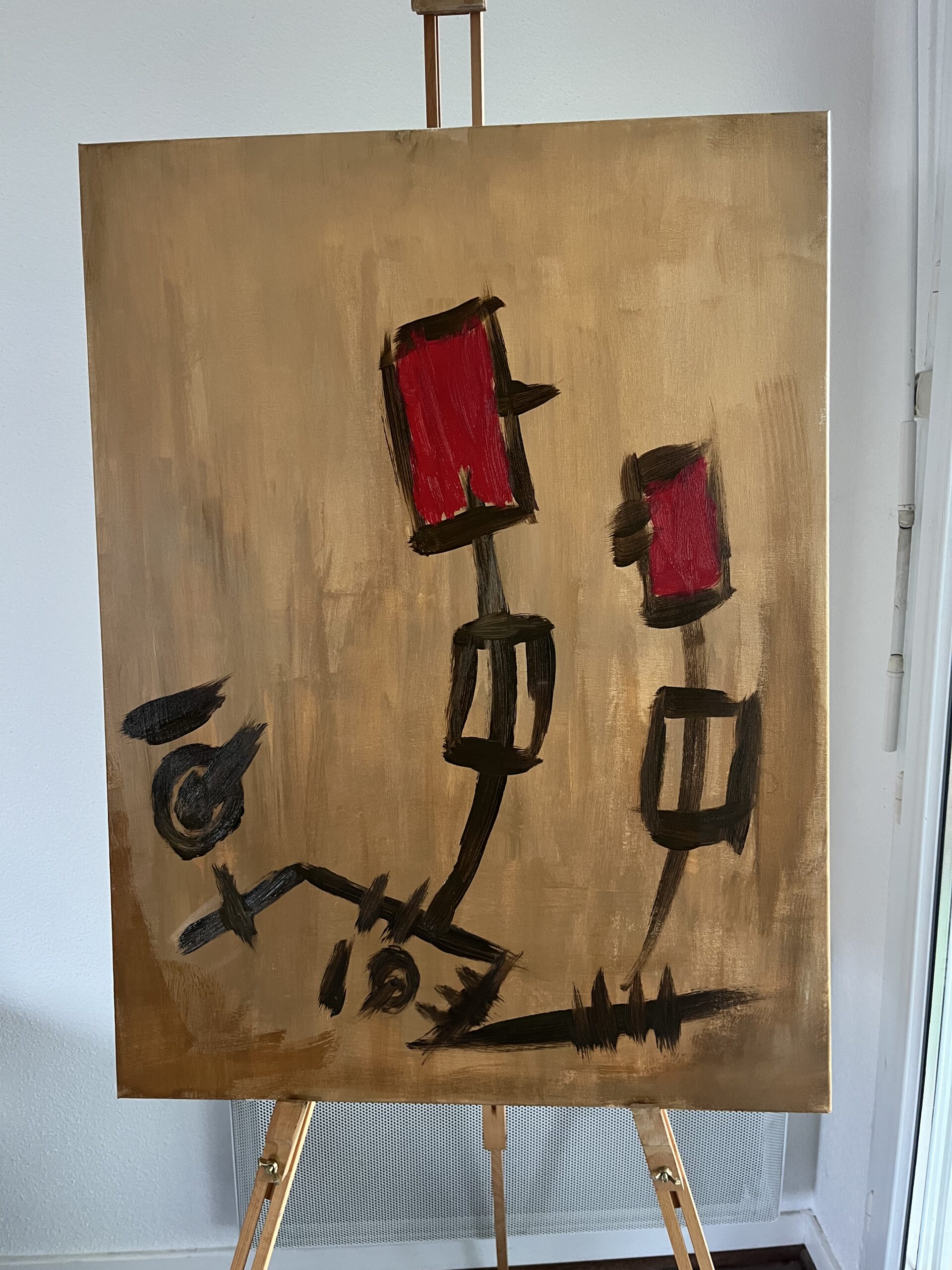
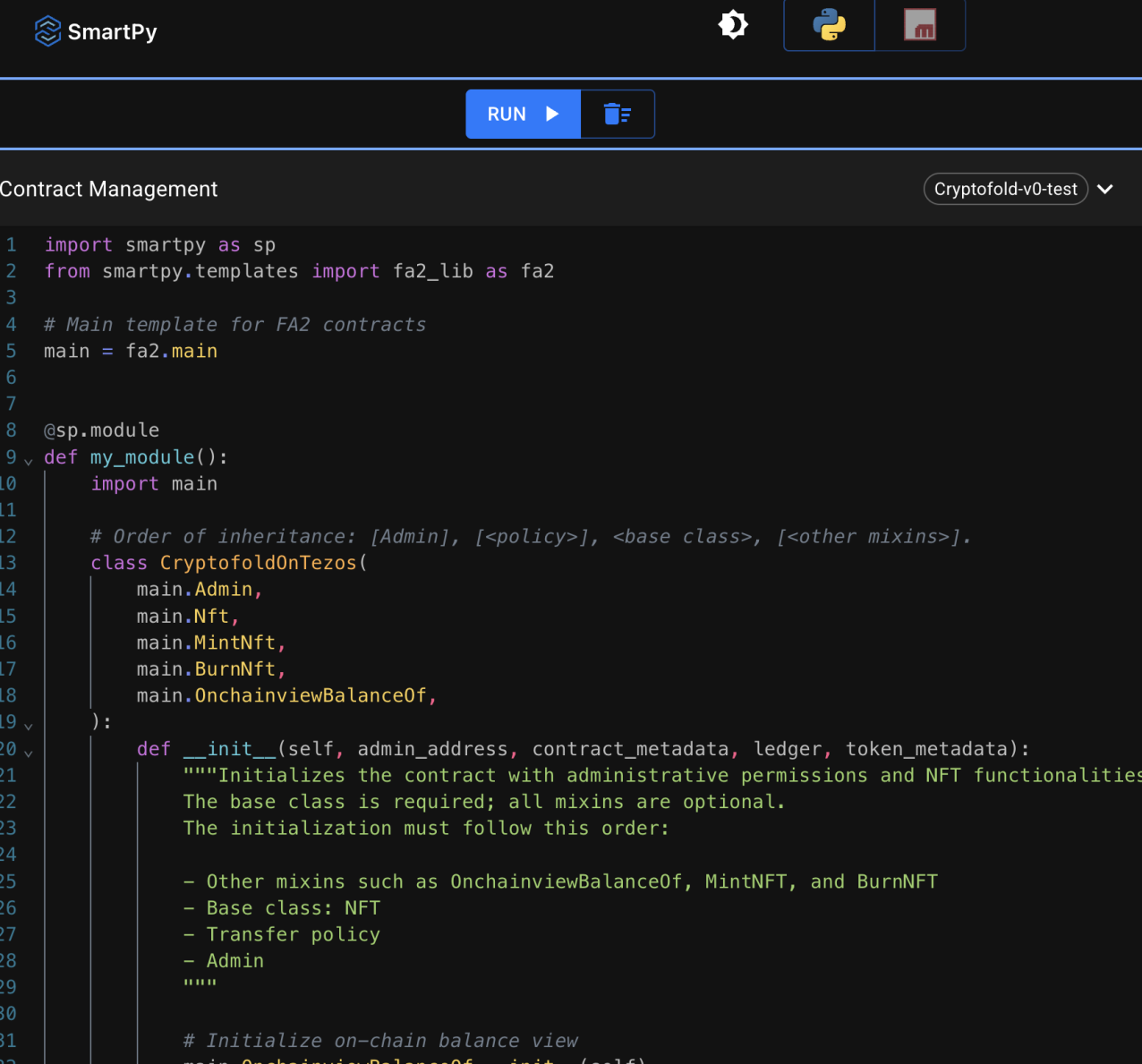
Cryptofold was designed on Ethereum. Smart contract in Solidarity, images stored on IPFS. A solid architecture, the one everyone uses. It worked.
But I'm exploring Tezos. And this exploration has changed something unexpected, not just the chain, not just the language of the contract. The NFT itself.
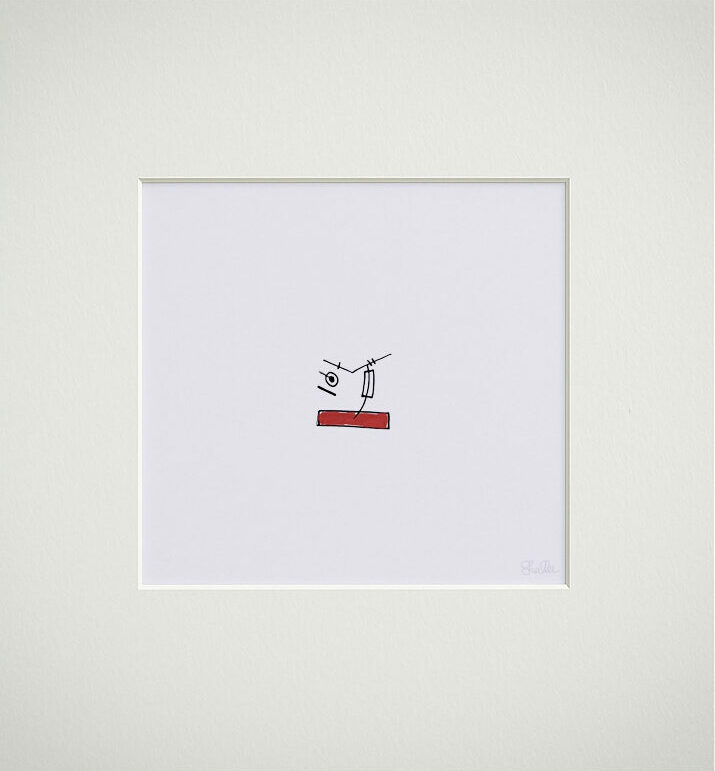
Passing on-chain means embarking the image directly into the smart contract. No more IPFS, no more external files. The work and its certificate are now one. The mechanics are validated, the smart contract v1 turns on Shadownet.
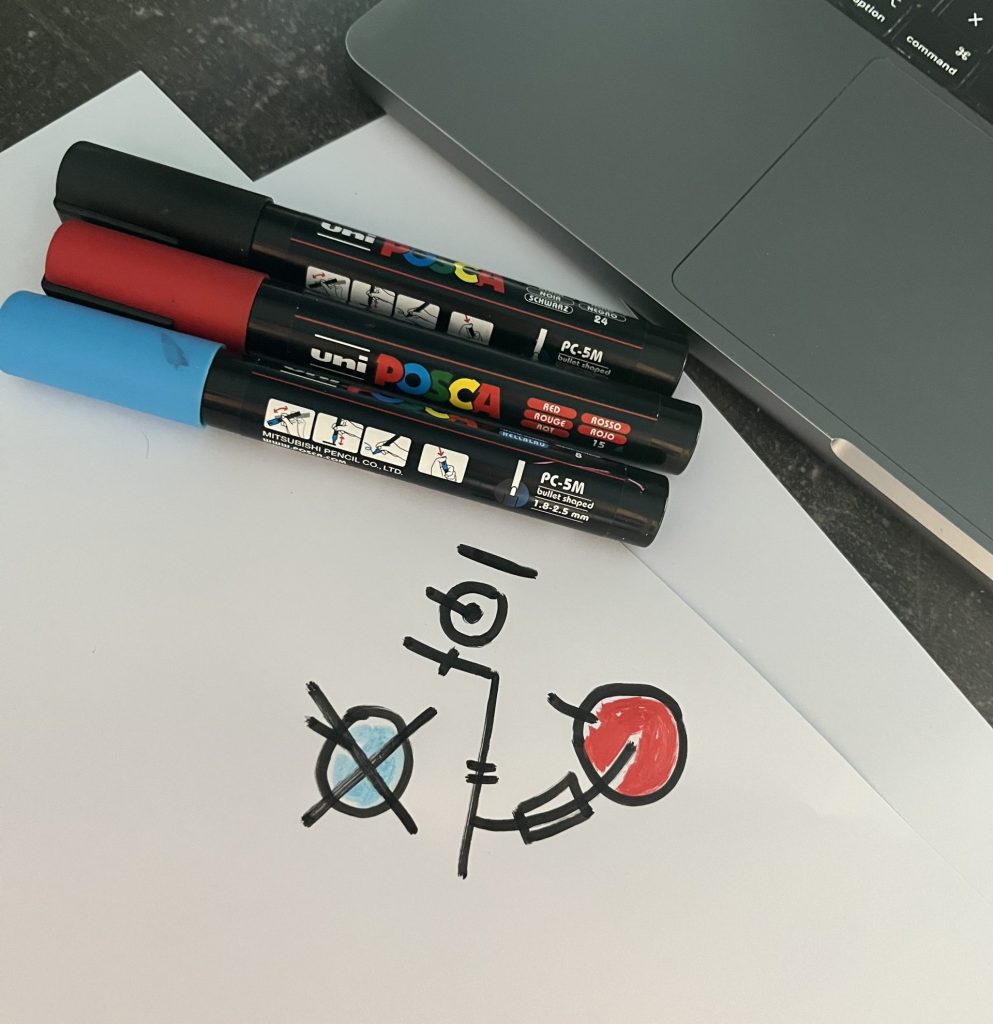
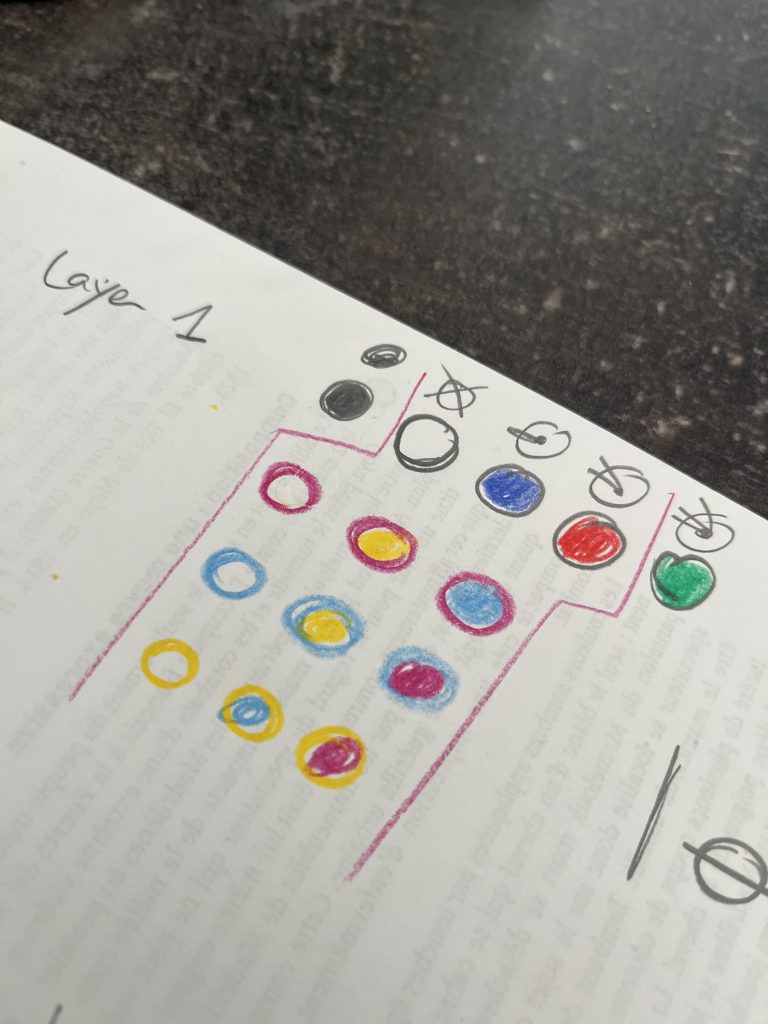
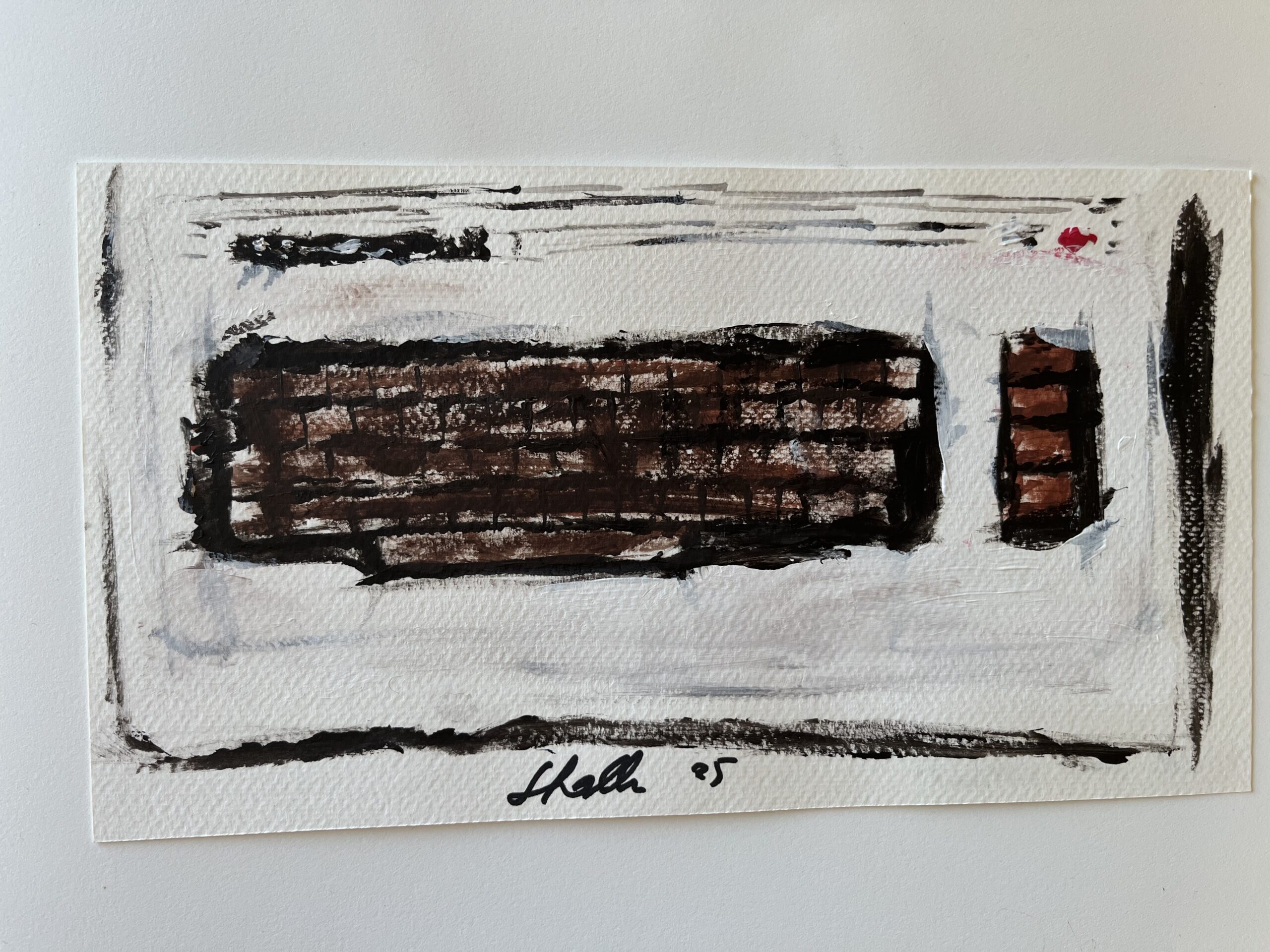
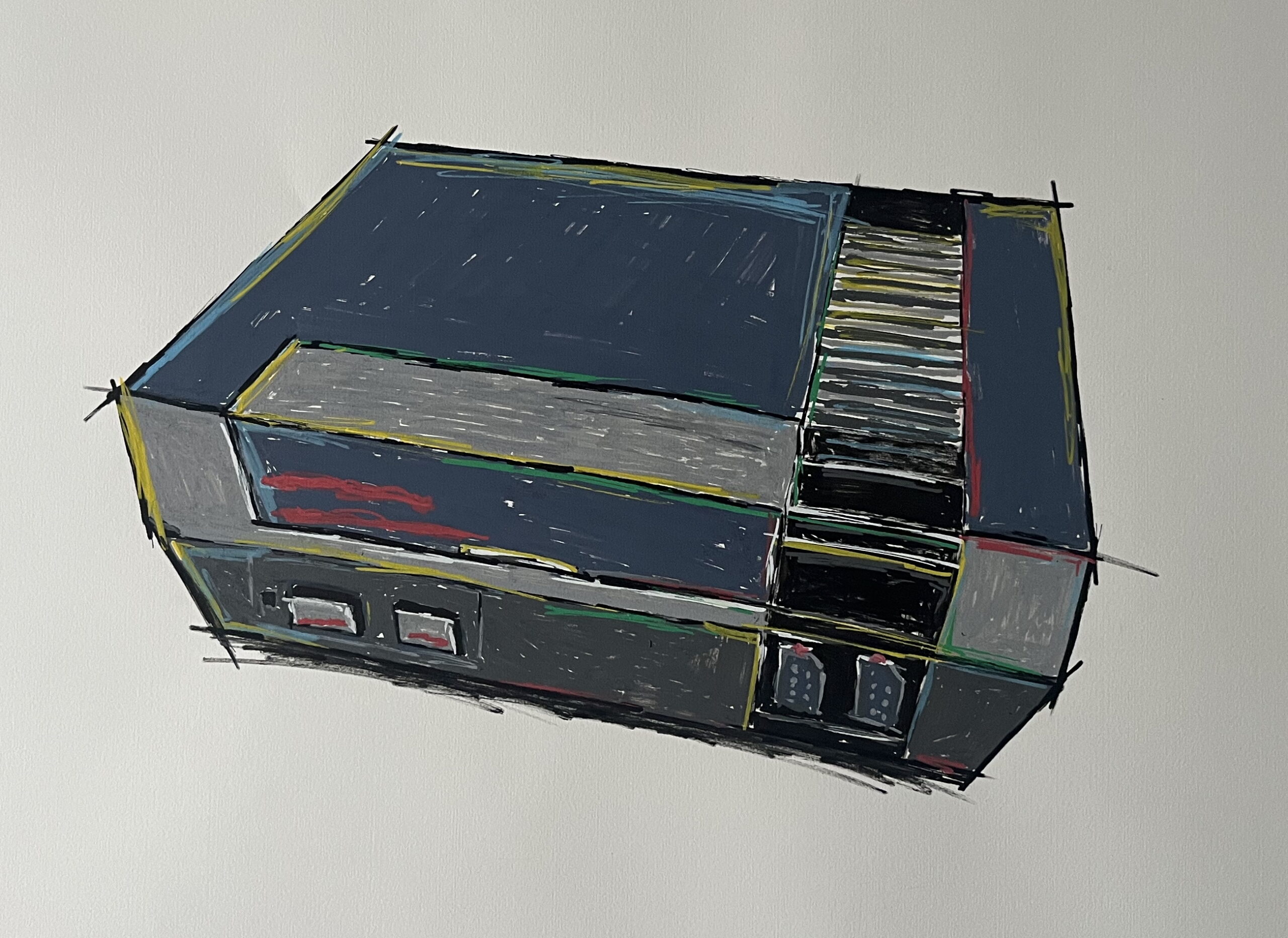
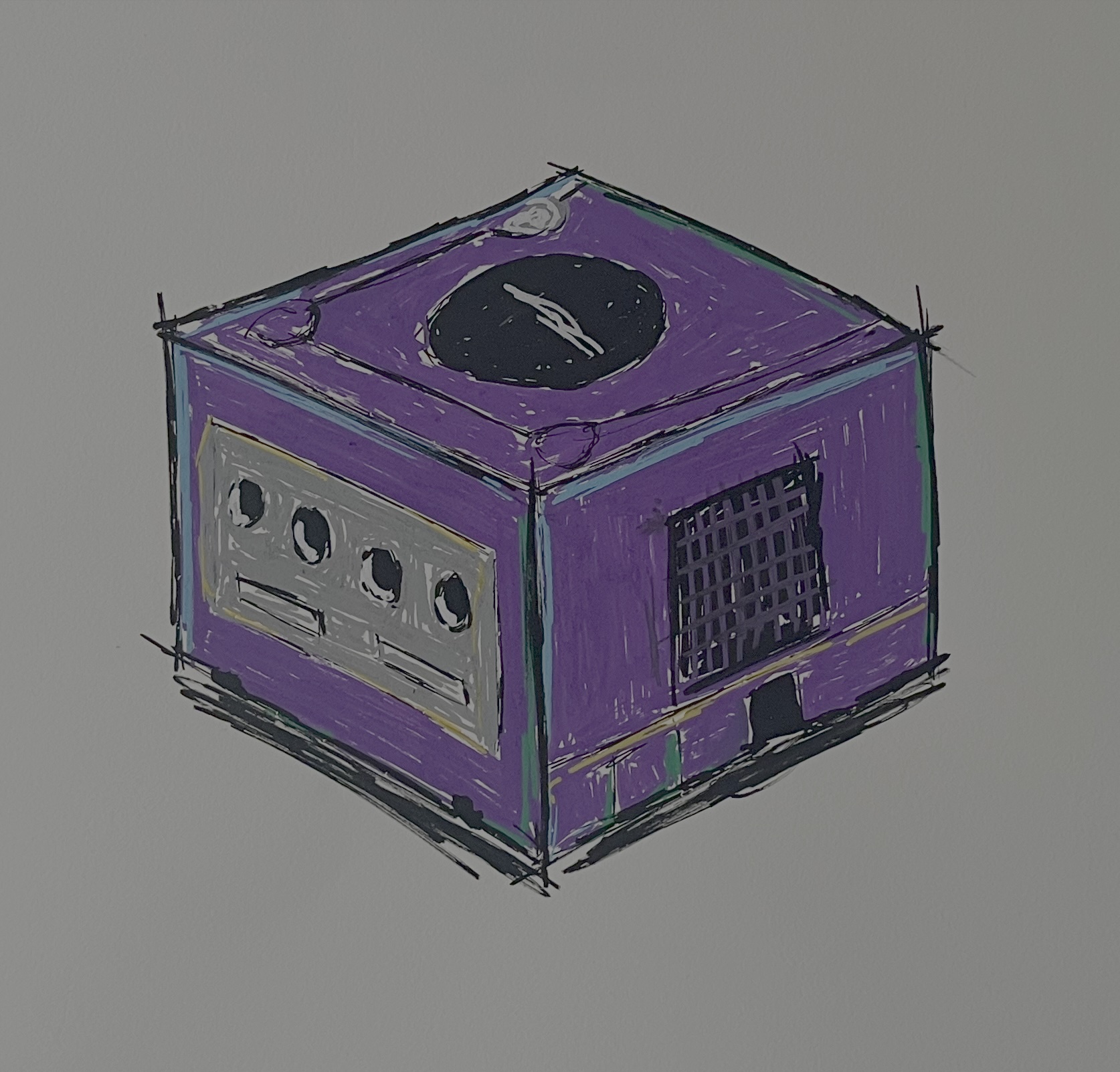
What changes is the form. The first version NFTs were hand drawn. This new system imposes a constraint: simple, geometric shapes, generated directly by the contract. A constraint that looks less like a limitation than a clarification.
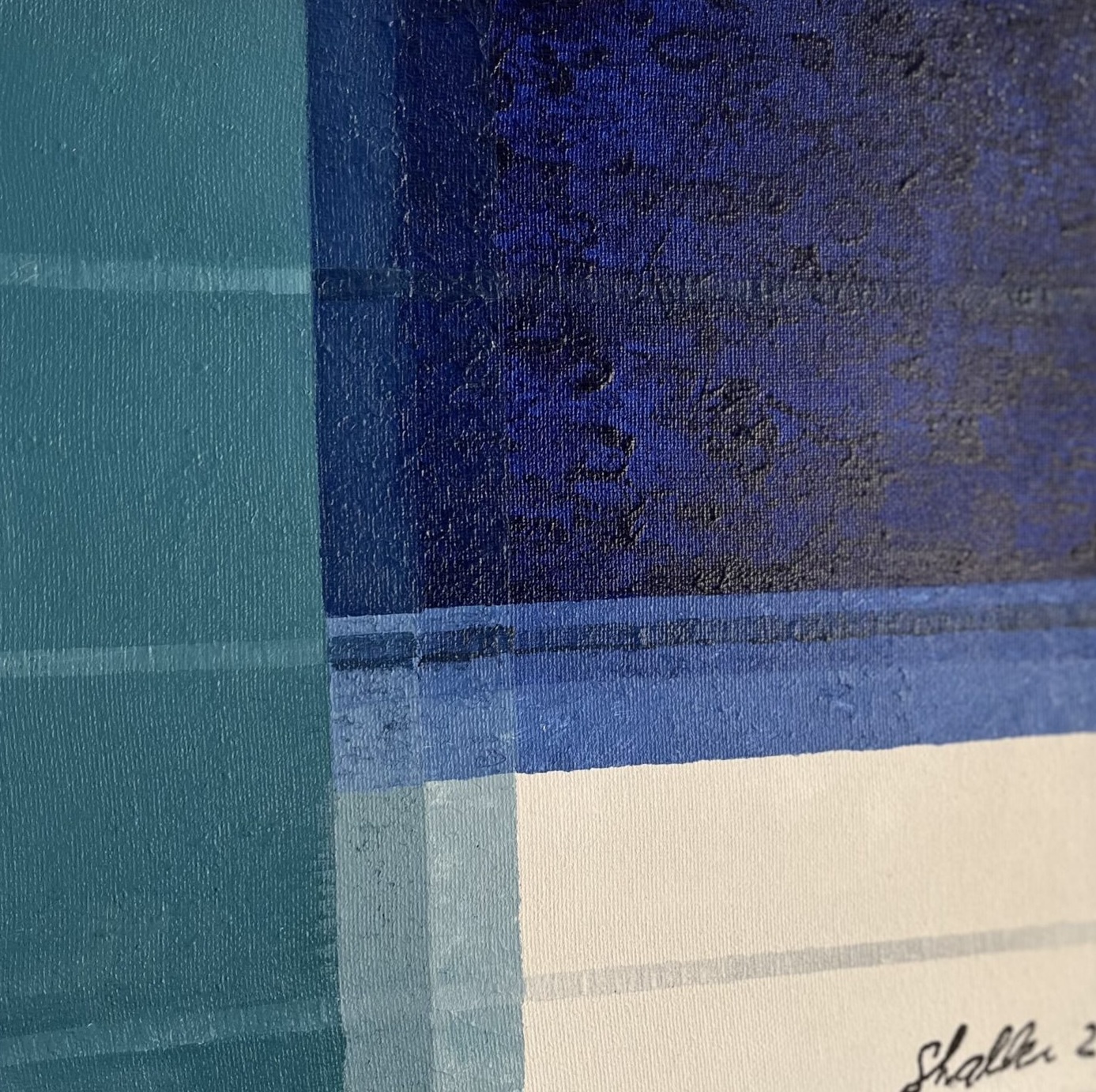
Without looking for him, Cryptofold and Syntax converge.
It's not decided yet. But the direction is here.